As of June, Canine Influenza had made its way to Texas and veterinarians have a lot to say on the subject. Luckily, the “dog flu” isn’t usually life-threatening when treated and isn’t transmissible to humans. With a few precautions, you can keep your pooch healthy and protected from this highly-contagious disease.
“The most common symptoms of canine flu include coughing and lethargy, as well as decreased appetite and fever,” said Dr. Stacy Eckman, clinical assistant professor at Texas A&M College of Veterinary Medicine. “In some cases, the infection can progress to pneumonia, especially when the flu is complicated by other respiratory bacteria or viruses.”
Treatment Should Be Swift
Photo: Pixabay/MichaelDarby1976
The canine flu should be treated as soon as possible. If you are worried your pet is experiencing symptoms of the canine flu, contact your veterinarian before going into their office. This allows the veterinarian to prepare for the visit and potentially decrease exposure to other pets. If you live in an area where the canine flu has been reported, consider keeping your dog away from other dogs by staying clear of the dog park or dog kennels.
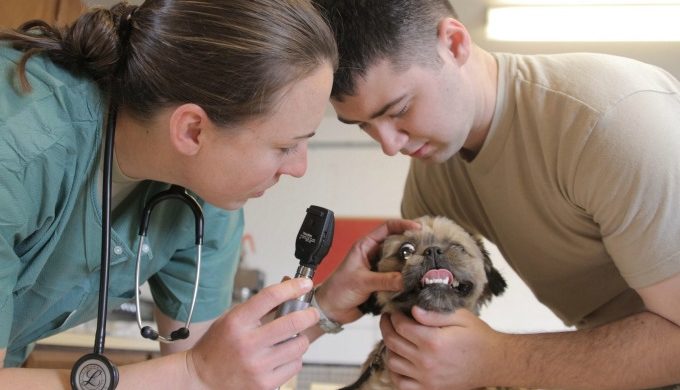
Photo: Flickr/Army Medicine
Canine influenza is a relatively new virus in dogs, but there are vaccines available to help protect your pet. The vaccine does not prevent your pet from getting infected or spreading the virus, but it may reduce your pet’s symptoms.
Photo: Pixabay/Pix1861
“The vaccine is recommended for pets that go to dog shows, including hunting and agility; are kenneled or boarded; visit grooming salons or doggie day cares regularly; or are around a high number of dogs that visit these areas,” Eckman said.
If your pet becomes infected with the canine flu, a veterinarian can provide supportive care and medications to make the pet feel better. In the meantime, consider your options for preventing your pet from facing this illness again in the future, such as with a vaccine.