Heart of Texas Magazine
Tips for Bluebonnet Sight-Seeing (Minus the Critters)
By |
As the saying goes, they’re more afraid of you than you are of them. Well, we’re not sure if it’s fear, but snakes generally don’t want to come into contact with humans. And, neither do many other critters for that matter. Spiders, scorpions, centipedes, and fire ants are also creatures native to Texas fields, forests, and beyond, which would generally avoid people if they could. Snakes will generally spend the hottest part of the day under cover. This means they’ll take refuge in vegetation or burrows. For that reason, a key safety tip for your spring wildflower viewing is to never place your hands, your face, or any other body part in or near places that you can’t see. The same goes for the aforementioned critter counterparts. The best place to be taken by surprise is where you least expect it. So, don’t reach for hand-holds in places you can’t clearly tell are bare, and don’t lay down amongst the flowers before first having had a full viewing.
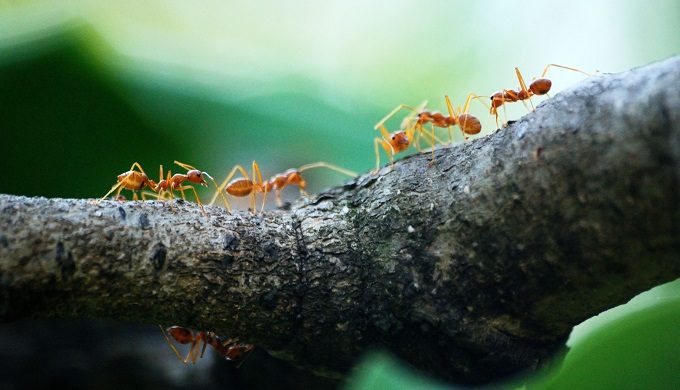
If you see a snake, or another creature, don’t surprise it or try to make any kind of physical contact with it. Move away slowly, and when you’re reasonably clear, pick up the pace. Of course, the chance that you might pass nearby a concealed snake is the reason we Texans wear full hiking boots or cowboy boots when walking anywhere off the beaten path. Even more than a bite on the hand (which can happen if you’re not careful), a bite on the leg or foot can impair your ability to get to safety. Similarly, spider, scorpion, and red ant contact could prove disastrous. When you might be thinking, “All I want is a great bluebonnet picture,” they’re simply reacting in the most natural way they would. You’re considered a threat, not the other way around.